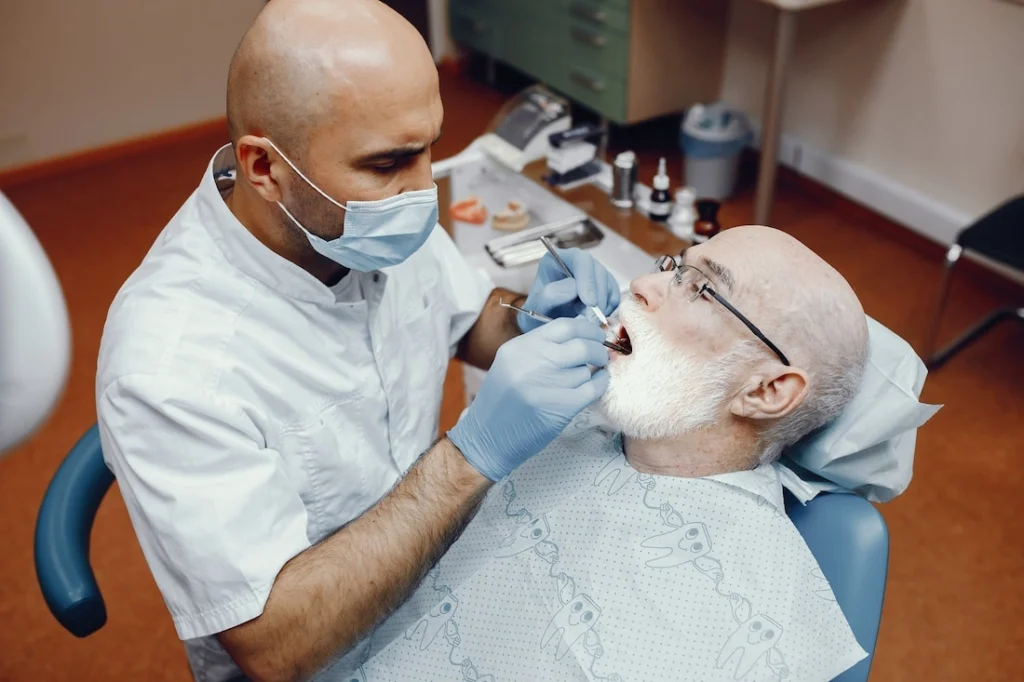
Many people living with diabetes can be suitable candidates for dental implants. The key issue is not the diagnosis alone, but how well blood glucose is managed, how healthy the gums are, and whether the jawbone can support an implant. When diabetes is poorly controlled, healing may be slower and infection risk may rise. This guide explains dental implants for diabetics, including safety, preparation, and treatment choices.
Can diabetics get dental implants?
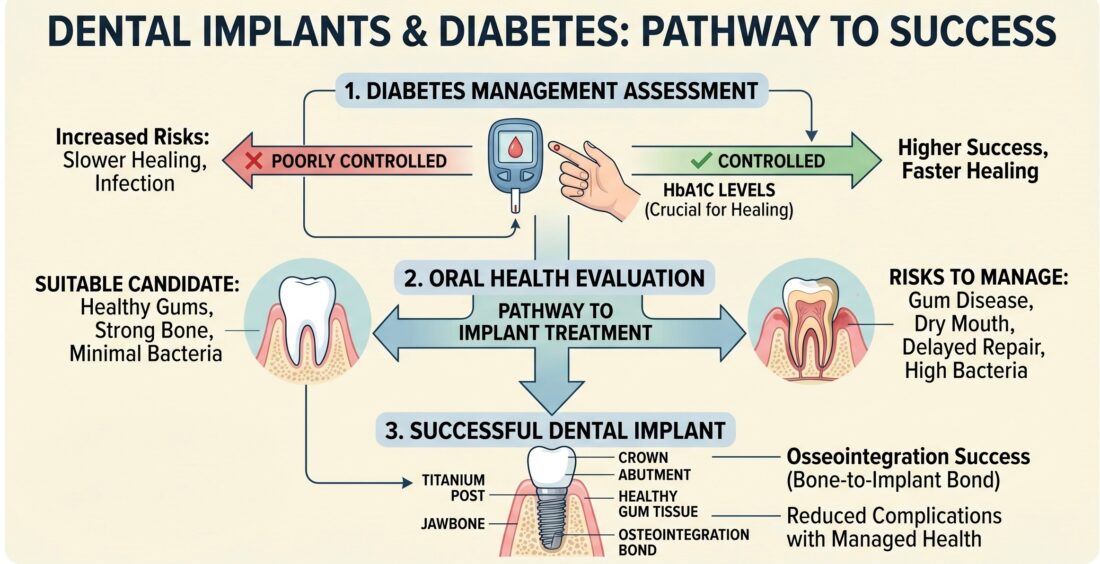
Yes, many people with diabetes can get dental implants, but each case needs a proper assessment. A dentist will usually review your oral health, medical history, medicines, gum condition, bone levels, and recent blood glucose control.
A dental implant is a titanium post placed in the jawbone to support a crown, bridge, or denture. After placement, the bone needs time to bond with the implant, which calls for closer planning when diabetes is part of the medical history.

How diabetes can affect implant treatment
Diabetes can affect the mouth in several ways. Higher blood glucose can make it easier for harmful bacteria to grow, and it may affect how well tissues repair after surgery. For implants, this can mean slower healing, gum inflammation, and extra review appointments.
Common oral health concerns linked with diabetes include:
- Gum disease
- Dry mouth
- Tooth decay
- Oral infections
- Delayed wound healing
Gum disease needs attention because it affects the tissues and bone that support teeth and implants. If gum infection is present, it needs treatment before implant surgery.
What makes someone a good candidate?
Good candidates are usually people whose diabetes is being managed, whose gums are stable, and who can keep up with daily cleaning and dental maintenance.
A dentist may look for:
- Recent blood glucose or HbA1c information
- Healthy gums or treated gum disease
- Enough jawbone to support the implant
- No active dental infection
- Regular brushing, flossing, and check-ups
There is no special implant brand or single design that suits every diabetic patient. The better question is which treatment plan suits your bone, bite, gum health, smile goals, and medical situation.
Are full mouth dental implants an option?
Yes, full-mouth implant treatment may be possible for some people with diabetes. This option is considered when most or all teeth are missing, failing, loose, or affected by advanced disease. Treatment may involve fixed full-arch bridges, implant-supported dentures, or other full-arch designs.
Before recommending full mouth dental implants for diabetics, a dentist should assess:
- Bone volume and bone quality
- Gum health
- Bite forces and jaw position
- Diabetes control and general health
- Healing capacity and aftercare needs
Full-mouth treatment is more involved than replacing one tooth. It may require extractions, temporary teeth, scans, surgical planning, and review appointments.
How to prepare before implant surgery
Preparation can make treatment smoother, so share your medical history from the first appointment.
Helpful steps include:
- Tell the dentist about your diabetes type, medicines, and recent glucose control
- Bring recent HbA1c results if available
- Treat gum disease or dental infections before surgery
- Keep brushing and cleaning between teeth daily
- Follow eating and medicine instructions on the day of treatment
- Do not change diabetes medicines unless your doctor tells you to
- Attend all review visits after surgery
Once an implant is restored with a crown or bridge, plaque can still build up around it. Regular maintenance helps protect the gum and bone around the implant.
Dental implant success and diabetes
Research suggests that the best dental implants for diabetics can have high survival rates in people with well-controlled diabetes. Results are less predictable when blood glucose is poorly controlled, especially if gum disease, smoking, or poor oral hygiene are also present.
No dental treatment comes with a lifetime promise. A good clinic will explain benefits, limits, costs, stages, and alternatives before treatment begins.
Frequently Asked Questions
Can diabetics get dental implants safely?
Many diabetic patients can get dental implants safely when blood glucose is well controlled and gum health is stable. Your dentist should assess your medical history, bone levels, medicines, smoking history, and healing risk before recommending treatment.
What A1c level is needed for dental implants?
There is no single A1c number for every person. Many dentists prefer evidence of stable diabetes control before surgery and may ask for recent results or medical input from your GP.
Do dental implants take longer to heal with diabetes?
They can. Some diabetic patients heal normally, while others may need more time, especially if blood glucose is unstable, gum disease is present, or oral hygiene is poor.
Can uncontrolled diabetes cause dental implant failure?
Poorly controlled diabetes may raise the risk of infection, delayed healing, gum inflammation, and implant complications. It does not mean failure is certain, but treatment needs extra care.
Are implants better than dentures for diabetic patients?
Implants can offer stronger support than traditional dentures for some patients, but they are not right for everyone. Dentures, bridges, and implant-supported dentures may all be worth discussing.
Final thoughts
Diabetes should not stop a patient from asking about dental implants. The safest path is a careful assessment, stable blood glucose, healthy gums, and a plan that suits the person, not just the condition.
If you have diabetes and are considering dental implants, book a consultation with our Melbourne implant team to understand your options. We’ll assess your oral health, medical history and smile goals before recommending a safe, personalised treatment plan.