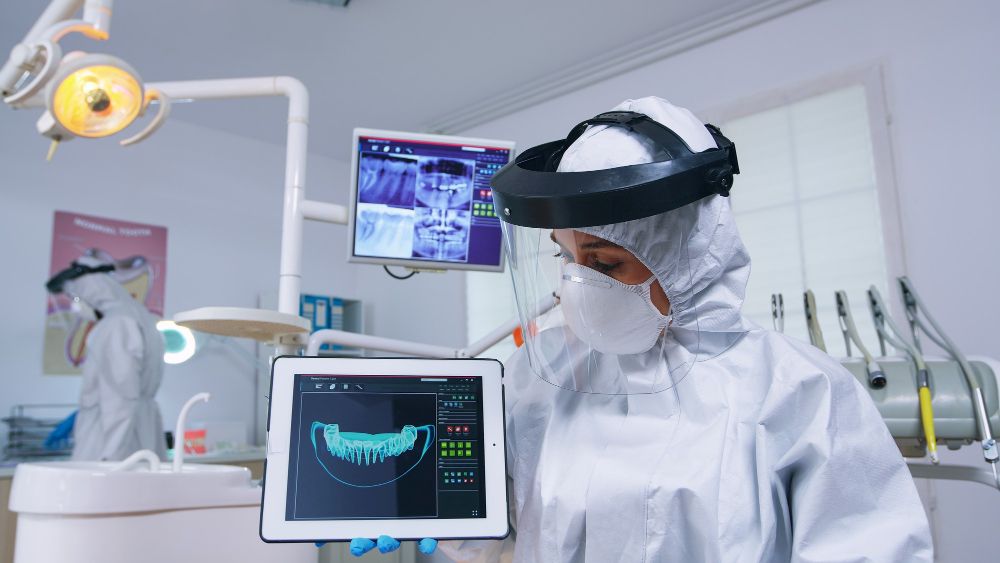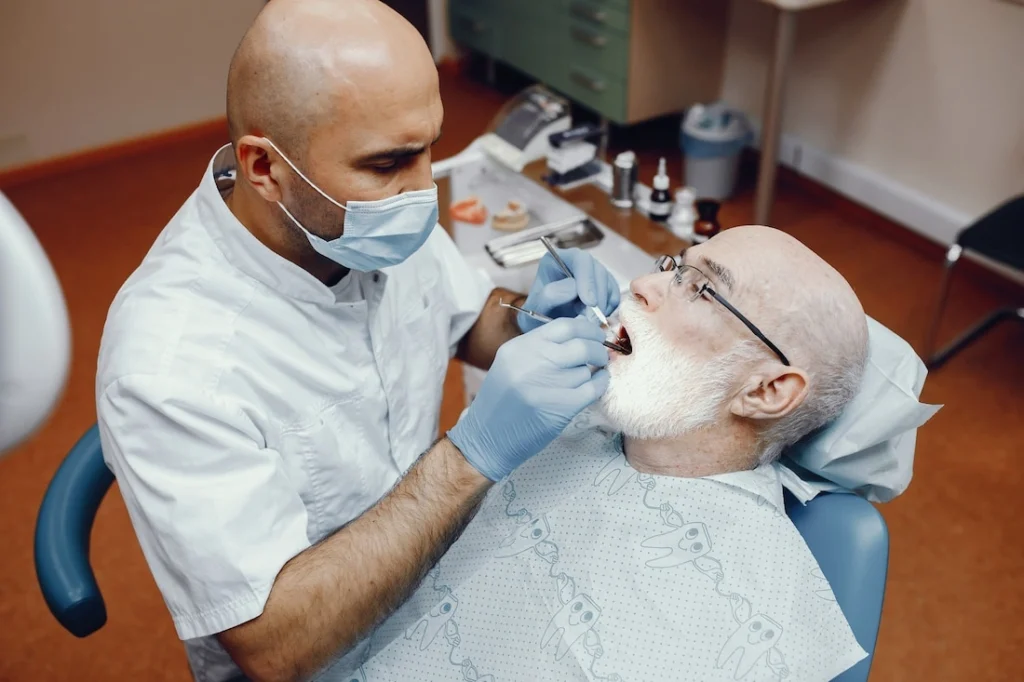
Dental implants can be a suitable option for many people with diabetes, but the decision depends on more than the diagnosis itself. To be eligible for the treatment, patients must have overall good oral hygiene and sufficient jaw bone to support the implants. For people with diabetes, the dentist should also consider blood glucose control, gum health, active infection, smoking, medications, general health and the ability to maintain the implant after treatment.
So, Are Diabetics Suitable for Dental Implants?
Yes. Diabetes does not automatically rule out dental implant treatment. Evidence and professional guidance indicate that implants can be predictable in people whose diabetes is well controlled, while poorly controlled diabetes is associated with slower healing, more peri-implant inflammation and a less predictable prognosis. A recent HbA1c result can help the dental and medical teams assess risk, but there is no single implant-specific HbA1c cut-off that is appropriate for every person.
Oral health in people with diabetes
Diabetes and oral health are closely linked. The Australian Institute of Health and Welfare estimates that about 1.3 million Australian adults were living with diabetes in 2022–24. People with poorly controlled diabetes can be more susceptible to dry mouth, oral infection, delayed wound healing and periodontal disease. Periodontitis can damage the gum and bone that support teeth, so any active gum disease should be stabilised before implant surgery.
Can people with diabetes have dental implant treatment successfully?
Yes, many can. Current reviews report high implant survival in appropriately selected patients with diabetes, especially when glycaemic control is good. The more useful question is not simply whether a person has type 1 or type 2 diabetes, but whether their diabetes is stable enough for elective surgery and whether local risk factors, such as active periodontitis or poor plaque control, have been addressed.
If you are considering dental implant treatment, the assessment may include your medical history, medicines, recent HbA1c or other glucose information, gum condition, bone volume and quality, bite, smoking status and any history of implant or periodontal problems.
Diabetes and Dental Implant Risks
Dental implants depend on osseointegration, the process in which living bone heals around and bonds to the implant surface. High or unstable blood glucose can interfere with wound healing and is associated with a greater risk of peri-implant inflammation. This does not mean an implant will fail, but it can make the healing period and long-term maintenance less predictable.
The original article stated that osseointegration usually takes 6–8 weeks and may take 10–12 months in people with diabetes. Those figures are too rigid. Healing time varies with the implant site, bone quality, surgical approach, loading plan and individual health. Australian health guidance notes that bone growth around an implant commonly takes about three months, while some cases need longer. Your dentist should give you a timeline based on your own treatment plan.
Important precautions before and after implant treatment
- Treat active gum disease and dental infections before implant placement. Healthy, stable periodontal tissues provide a better environment for healing.
- Throughout the healing period, blood glucose level must be kept under control.
- Bring a recent HbA1c result if your dentist requests it, and allow the dental team to coordinate with your GP or diabetes clinician when medical input is needed.
- Do not change insulin, diabetes medicines or meal timing for surgery unless the clinician managing your diabetes has given you specific instructions.
- Avoid rushing into implant surgery immediately after a new diabetes diagnosis or dental injury. Timing should be based on infection control, bone and gum health, medical stability and the treatment plan rather than an assumption that delay automatically increases risk or cost.
- Keep the implant area clean and attend follow-up and maintenance visits. Long-term plaque control matters because diabetes is a recognised risk indicator for peri-implantitis.
What does HbA1c mean for implant planning?
HbA1c reflects average blood glucose over roughly the previous two to three months. For many non-pregnant adults with diabetes, general diabetes guidance uses an HbA1c target below 7%, although personal targets can be higher or lower. Implant planning should not use one number in isolation. The American Dental Association advises considering HbA1c as part of risk assessment, and elective dental treatment may need to be delayed when diabetes is marginally or poorly controlled until the condition is more stable.
When might implant treatment be delayed?
A dentist may recommend treating gum disease or infection first, improving oral hygiene, obtaining medical input or waiting for more stable glucose control before elective implant surgery. Smoking, inadequate bone, certain medicines and other medical conditions can also affect the plan. If bone volume is limited, a separate assessment can determine whether bone grafting before implants is appropriate.
Every patient is different. It is therefore recommended to seek medical help before considering dental implants to replace the missing tooth.
Frequently Asked Questions
What HbA1c level is needed before dental implant surgery?
There is no universal implant-specific HbA1c cut-off. HbA1c is one part of the overall risk assessment. Many diabetes guidelines use a target below 7% for many adults, but targets are individualised, and implant evidence shows poorer peri-implant outcomes as glycaemic control worsens. Your dentist may ask for medical advice if your recent control is unstable or outside your personal target.
Can people with type 1 diabetes get dental implants?
Potentially, yes. Type 1 diabetes is not an automatic exclusion. The dentist will consider current glucose control, complications of diabetes, gum and bone health, healing risk and your medical history. Some studies suggest outcomes may differ between type 1 and type 2 diabetes, so individual assessment is particularly important.
Do dental implants take longer to heal if you have diabetes?
They can, particularly when blood glucose is poorly controlled. However, a fixed 10–12 month healing period should not be assumed. Healing varies from person to person and depends on the implant site, bone quality, surgery, loading protocol and overall health.
Can someone with diabetes have a bone graft before an implant?
A bone graft may be considered when there is not enough bone to support an implant. A 2024 systematic review found no significant difference in bone-gain outcomes between people with diabetes and those without diabetes, but the certainty of the evidence was very low and the included patients generally had moderate or good glycaemic control. The decision should therefore be individualised.
What warning signs around an implant should be checked promptly?
Contact your dentist if you develop increasing swelling, persistent or worsening pain, pus, bleeding that does not settle, a bad taste, gum recession around the implant or any feeling that the implant or restoration is loose. Early assessment is especially sensible when diabetes is difficult to control because infection and inflammation may be harder to manage.